

Sustainability · 2025
In this section52 topics
- Sustainability Policy2 items
- Sustainability Goals & UN SDGs3 items
- Policy Review3 items
- Business Value Chain1 item
- Stakeholder Analysis1 item
- Environmental Sustainability — Overview1 item
- Environmental Policy & Guidelines3 items
- Environmental Policy Review3 items
- Energy — Plan & Guidelines2 items
- Energy — Electricity Consumption1 item
- Energy — Fuel Consumption1 item
- Energy — Targets2 items
- Energy — Performance & Outcomes2 items
- Water — Plan & Guidelines2 items
- Water — Withdrawal, Discharge & Consumption1 item
- Water — Targets2 items
- Water — Performance & Outcomes2 items
- Waste — Plan & Guidelines2 items
- Waste — Generation, Disposal & Recycling1 item
- Waste — Targets1 item
- Waste — Performance & Outcomes2 items
- GHG — Plan & Guidelines2 items
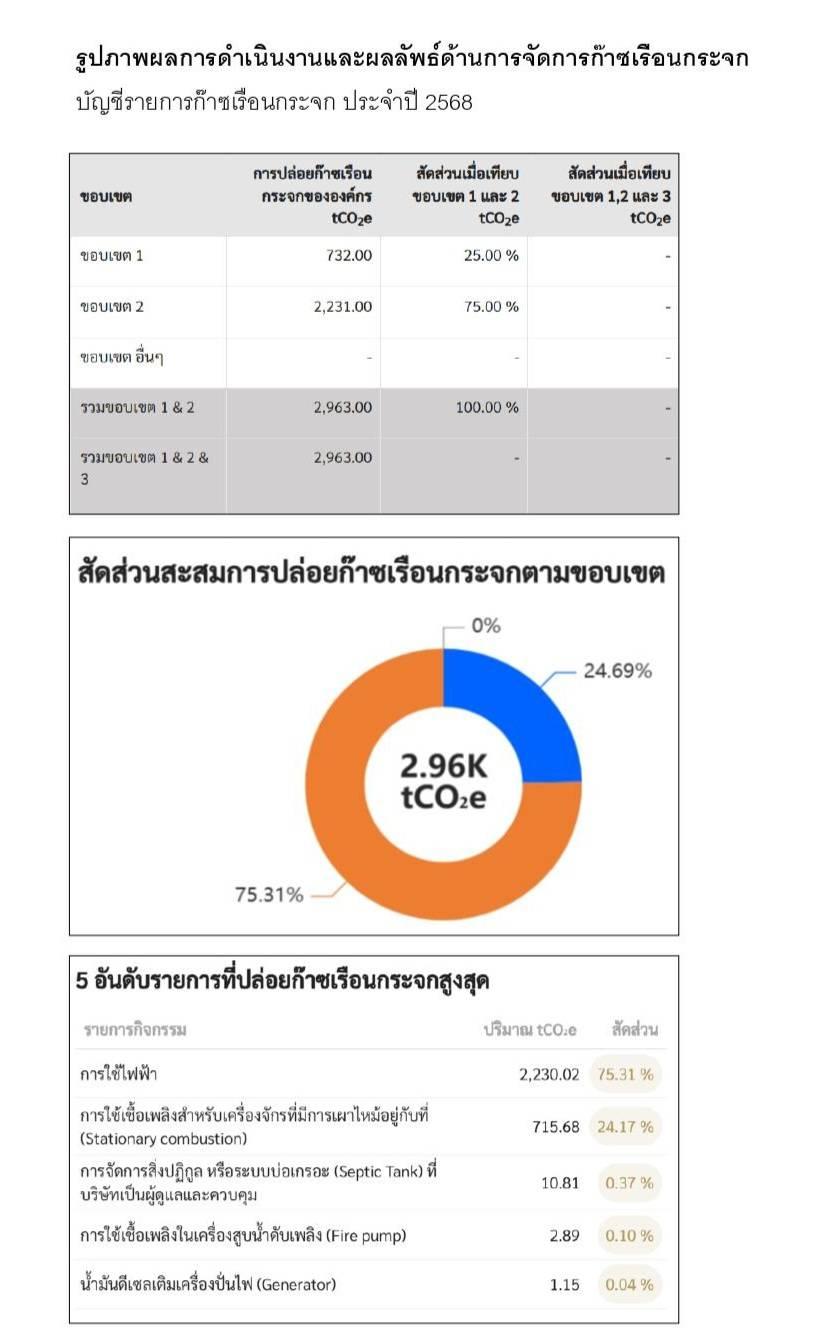
- GHG — Emissions1 item
- GHG — Emissions Verification1 item
- GHG — Principles & Standards1 item
- GHG — Targets1 item
- GHG Targets — Net Zero1 item
- GHG Targets — Other Targets1 item
- GHG — Performance & Outcomes2 items
- Environmental Legal Incidents1 item
- Other Environmental Management1 item
- Social Policy & Guidelines3 items
- Social Policy Review3 items
- Social — Principles & Standards Practised1 item
- Human Rights Due Diligence2 items
- Employees — Plan & Guidelines3 items
- Employees — Workforce1 item
- Employees — Remuneration & Provident Fund1 item
- Employees — Training & Development1 item
- Employees — Occupational Health & Safety1 item
- Employees — Labour Relations1 item
- Employees — Employee Representation2 items
- Employees — Targets2 items
- Employees — Performance & Outcomes2 items
- Customers — Plan & Guidelines3 items
- Customers — Satisfaction Results1 item
- Customers — Targets2 items
- Customers — Performance & Outcomes2 items
- Community & Social — Plan & Guidelines3 items
- Community & Social — Targets1 item
- Community & Social — Performance & Outcomes1 item
- Law Violation Incidents1 item
Sustainability Policy
Has a Sustainability Policy
Yes
Policy Description
The Company places importance on conducting its business in parallel with sustainable development. The Company aims to achieve stable long-term business growth while taking into consideration its responsibilities toward the environment, society, and all stakeholder groups. Accordingly, the Company has established a Sustainable Business Development Policy as a framework to guide its operations, covering three key dimensions: Environmental, Social, and Governance (ESG).
The Company conducts its business in accordance with the principles of good corporate governance, while adhering to business ethics, complying with applicable laws and regulations, and respecting human rights. The Company is committed to operating with transparency, fairness, and accountability, while taking into account the interests of all stakeholders, including shareholders, employees, customers, business partners, communities, and society at large.
The Company believes that conducting business under such principles will strengthen the organization while creating value for society and the environment, and ultimately lead to sustainable growth in the long term.
Sustainability Goals & UN SDGs
Has Sustainability Goals
Yes
Goals Description
The Company has established sustainability targets in alignment with its business strategies by integrating Environmental, Social, and Governance (ESG) considerations into operations at all levels of the organization. This approach aims to enhance the Company’s competitiveness while creating sustainable value for stakeholders.
The Company has defined key sustainability targets as follows:
Environmental
Promote efficient use of resources and reduce environmental impacts from business operations.
Improve operational processes with emphasis on energy conservation and appropriate waste management.
Support operational practices that contribute to climate action and the mitigation of climate change impacts.
Reduce greenhouse gas emissions across Scope 1, Scope 2, and Scope 3, and aim to achieve Net Zero greenhouse gas emissions by 2050.
Social
Enhance employee capabilities and quality of life while promoting a safe and fair working environment.
Respect human rights, ensure non-discrimination, and prohibit child labor, while promoting gender equality and embracing gender diversity. Currently, 75% of the Company’s senior executives are female.
Conduct business with responsibility toward consumers, customers, and business partners.
Develop and offer high-quality and safe health-related products that meet consumers’ long-term needs.
Contribute appropriately to community and social development.
Governance
Conduct business in accordance with good corporate governance principles and business ethics.
Promote transparency, accountability, and compliance with applicable laws and regulations.
Manage the organization with due consideration for the interests of all stakeholders.
Encourage continuous innovation development within the organization.
UN Sustainable Development Goals
| SDG Goal |
|---|
| Goal 1 No Poverty |
| Goal 2 Zero Hunger |
| Goal 3 Good Health and Well-being |
| Goal 5 Gender Equality |
| Goal 8 Decent Work and Economic Growth |
| Goal 9 Industry, Innovation and Infrastructure |
| Goal 10 Reduce Inequalities |
| Goal 11 Sustainable Cities and Communities |
| Goal 12 Responsible Consumption and Production |
| Goal 13 Climate Action |
Policy Review
Policy Reviewed This Year
Yes
Policy Changed This Year
Yes
Review Details
During the past year, the Company has reviewed and further developed its sustainability management approach to align with its business direction, corporate strategy, and the evolving expectations of stakeholders. The Company has placed greater emphasis on integrating sustainability concepts into its business operations in order to strengthen the organization’s stable and sustainable long-term growth.
The Company has also improved and enhanced its sustainability management practices in key areas, including establishing a clearer sustainability framework covering Environmental, Social, and Governance (ESG) dimensions, promoting responsible business practices toward society and the environment, emphasizing employee capability development, and conducting business in accordance with good corporate governance principles and business ethics.
In addition, the Company has participated in the JUMP+ Program organized by the Stock Exchange of Thailand, with the objective of strengthening the Company’s business potential and supporting sustainable organizational growth. Under this program, the Company will develop and implement improvement plans in key areas, including a Business Growth Plan, a Governance Plan, and a Climate Action Plan, to enhance competitiveness, create long-term corporate value, and strengthen confidence among all stakeholders.
Business Value Chain
Value Chain Description
The Company operates its business by placing importance on and considering all stakeholder groups. We committed to sustainably managing all activities throughout the business value chain from upstream to downstream. The primary and secondary activities of the value chain are as follows:
Main activities
1) Procurement of Raw Materials |
|
2) Operations |
|
3) Logistics and Distribution |
|
4) Marketing and Sales |
|
5) After-sales services |
|
Supporting Business
1) Procurement |
|
2) Technology development for products and services |
|
3) Human Resource Management |
|
4) Infrastructure |
|
Stakeholder Analysis
Stakeholder Analysis
| Stakeholder Type | Stakeholders | Stakeholder Expectations | Response to Expectations | Communication Activities |
|---|---|---|---|---|
| Internal stakeholders | 2913 · Description: Shareholders | - Business growth and good performance.
- Operations that take into account the principles of good governance, business ethics, and responsibilities for social and environmental issues.
- Transparent and reliable disclosure of information.
- Treat all shareholders equally.
- Appropriate compensation. | - Conduct business with transparency and good corporate governance.
- provide timely and accurate disclosures.
- pursue sustainable business growth and long-term value creation. | 2938 · Description: Visit · 2939 · Description: Press Release · 2941 · Description: Online Communication · 2944 · Description: Annual General Meeting (AGM) · 2945 · Description: Complaint Reception · 2949 · Other name: Annual report · Description: Others · 2949 · Other name: Financial statement · Description: Others |
| Internal stakeholders | 2921 · Description: Employees | - Treating All Employees Equally.
- Fair compensation and welfare arrangements.
- Good operational practices.
- Work safety.
- Opportunities for career growth.
- Competence development.
- Non-violation of human rights.
| - Provide competitive compensation and welfare.
- promote employee capability development.
- maintain occupational health and safety standards.
- support diversity and equal opportunity. | 2941 · Description: Online Communication · 2942 · Description: Internal Meeting · 2945 · Description: Complaint Reception · 2946 · Description: Employee Engagement Survey · 2948 · Description: Training / Seminar · 2949 · Other name: Communications between senior executives and supervisors to convey to employees · Description: Others |
| External stakeholders | 2915 · Description: Consumers · 2923 · Description: Customers | - Deliver safe and quality products and services.
- Fair trade.
- After-sales services.
- Treating all customers equally.
- Confidentiality.
| - Develop high-quality and safe health products.
- Ensure accurate product information.
- Continuously improve product quality and customer service | 2941 · Description: Online Communication · 2945 · Description: Complaint Reception · 2947 · Description: Satisfaction Survey · 2949 · Other name: Staff are ready to give advices and provide consultation about products sufficiently for decision making. · Description: Others |
| External stakeholders | 2899 · Description: Suppliers · 2911 · Description: Raw material distributors | - Fair procurement practices.
- Ethical standards.
- Comply with the trade conditions and treat partners fairly.
- Transparent and ethical business conduct, long-term partnership.
- Respect for human rights.
- Data protection and confidentiality. | - Select qualified suppliers.
- Promote ethical business practices.
- Manage the supply chain efficiently.
- Conduct business fairly and transparently.
- Strengthen long-term partnerships.
- Enhance responsible supply chain management. | 2941 · Description: Online Communication · 2943 · Description: External Meeting · 2945 · Description: Complaint Reception · 2949 · Other name: Supplier communication channels. · Description: Others · 2949 · Other name: Supplier evaluation. · Description: Others |
| External stakeholders | 2894 · Description: Creditor | - Strict compliance with the terms and mutual trade agreements
- Treat customers equally
- Dept payment in specified time | - Strictly adhere to the terms and conditions.
- Treat creditors equally.
- Pay debts on time as agreed. | 2941 · Description: Online Communication · 2945 · Description: Complaint Reception · 2949 · Other name: Financial Reports · Description: Others |
| External stakeholders | 2898 · Description: Competitors | - Compliance with the good competition rules
- Intellectual Property or Copyright
- Compliance with applicable the laws
| - Promoting Fair Competition.
- Ethical Business Practices
- Intellectual Property or Copyright | 2941 · Description: Online Communication · 2945 · Description: Complaint Reception |
| External stakeholders | 2902 · Description: Community · 2928 · Description: Society | - Conduct business with social responsibility.
- Encourage and support communities and social activities that benefit the society.
- Compliance with applicable laws.
- Respect human rights. | - Conducting business with consideration for its social and environmental impact.
- Support activities that benefit the community.
- Respect human rights. | 2940 · Description: Social Event · 2945 · Description: Complaint Reception |
| External stakeholders | 2931 · Description: Government agencies and Regulators | - Compliance with laws and regulations.
- Transparency in operations. | - Strictly comply with applicable laws and regulations.
- Maintain transparent business practices. | 2943 · Description: External Meeting · 2948 · Description: Training / Seminar · 2949 · Other name: Regulatory reporting · Description: Others |
Environmental Sustainability — Overview
Introduction
The Company recognizes the importance of conducting business responsibly towards the environment, adhering to the principles of sustainable development under the ESG framework as a key guideline in organizational management. The Company is committed to reducing its environmental impact throughout the value chain, from efficient resource use and proper energy and waste management to pollution prevention and control. By integrating environmental operations into business strategy, the Company aims to create balanced growth while caring for society and the environment, which is a fundamental basis for building long-term value and trust among stakeholders.
Environmental Policy & Guidelines
Has an Environmental Policy
Yes
Policy Description
The Company is a manufacturer of modern medicines and is committed to improving and maintaining the environment in compliance with applicable standards in an appropriate and continuous manner, as well as to continuously and sustainably enhancing environmental quality. To ensure that this policy achieves its objectives, the Company has established the following operational guidelines:
1. Compliance with Environmental Laws and Regulations
The Company is committed to complying with all applicable environmental laws and regulations relevant to its business operations. The Company regularly monitors such laws and requirements on a monthly basis and conducts compliance assessments to ensure that its activities, products, and services are in line with applicable standards and appropriate practices.
2. Pollution Control and Prevention
The Company is committed to controlling and preventing pollution, including wastewater management, air quality control, waste management, and the prevention of nuisance impacts on communities and the environment. Measures have been implemented to monitor and manage emissions from various activities, including treatment processes before discharge and proper disposal of industrial waste. Environmental parameters are also regularly measured to ensure compliance before release to the environment.
3. Efficient Resource and Energy Utilization (3Rs Principle)
The Company emphasizes efficient use of resources and energy, promotes waste segregation, and encourages recycling in accordance with the 3Rs principle:
Reduce: Minimize the use and consumption of unnecessary resources
Reuse: Maximize resource utilization through repeated use
Recycle: Utilize recyclable materials to reduce waste generation and environmental impact
4. Continuous Improvement in Environmental Management
The Company continuously improves the effectiveness of its environmental management by assessing environmental aspects arising from its activities, processes, and services. Significant environmental issues are identified and addressed to ensure they are controlled within acceptable levels, with regular reviews conducted.
5. Communication and Stakeholder Engagement
The Company promotes environmental awareness and participation by communicating relevant information to employees and external parties, such as contractors and visitors. Environmental initiatives and activities are also organized to align with current circumstances and to encourage active participation from all stakeholders.
6. Regular Review of Environmental Policy
The Company ensures that its environmental policy is reviewed on a regular basis to maintain its relevance and effectiveness.
The Company has established the following environmental practices:
1. Water Resource and Water Quality Management
Wastewater quality is monitored prior to discharge outside the factory, as specified in Work Instruction I-EP-06.
2. Waste and Waste Disposal Management
Procedures for waste segregation by category and proper disposal have been established, as specified in Work Instruction I-EP-02.
3. Greenhouse Gas Management and Climate Change
An annual greenhouse gas inventory is prepared to assess the organization’s emission status, as well as to identify measures for reducing greenhouse gas emissions.
4. Air Quality Management
Air treatment is required prior to release outside the factory, and air quality is regularly monitored at specified intervals, as outlined in Work Instruction I-EP-08.
5. Noise Pollution Management
Noise levels and ambient noise around the factory are monitored at specified intervals, as detailed in the monitoring plan STE-I-EP-05-001U.
Environmental Guidelines
| Guideline |
|---|
| Water Management |
| Waste Management |
| Greenhouse Gas and Climate Change Management |
| Air Quality Management |
| Noise Pollution Management |
Environmental Policy Review
Policy Reviewed This Year
Yes
Review Details
Environmental Practices for the Year 2025
1. Clean Energy Management
The Company has implemented a solar rooftop system at its Ayutthaya manufacturing facility in 2025. The system generated a total of 1,160,360 kWh of electricity during the year, resulting in a reduction of greenhouse gas emissions by approximately 580.06 tons of carbon dioxide equivalent (tCO2e).
2. Water Resource and Water Quality Management
The Company manages water consumption through measures aimed at reducing water usage and improving water efficiency in its production processes. In addition, employees are encouraged to use water responsibly and to be aware of water conservation practices.
3. Waste Management
The Company places importance on the proper treatment and disposal of all types of waste, including hazardous waste, recyclable waste, and general waste. Licensed and authorized waste management service providers are engaged to ensure that each category of waste is handled in compliance with applicable regulations.
4. Greenhouse Gas Management and Climate Change
The Company has reviewed and enhanced its environmental targets related to greenhouse gas management and climate change. This includes the establishment of a baseline year for greenhouse gas emissions associated with the transportation of raw materials and packaging.
5. Air Quality Management
The Company has implemented appropriate air quality control measures prior to releasing emissions into the environment, including:
Particulate matter: Treated through filtration systems such as bag filters or panel filters, depending on the system requirements
Chemical vapors: Treated using wet scrubber systems
In addition, air quality is regularly monitored based on appropriate frequency and parameters to ensure compliance with applicable standards.
6. Noise Pollution Management
The Company conducts annual noise level assessments to monitor potential impacts from its operations on the surrounding environment and communities. Measurements are taken at the factory boundary for continuous noise sources lasting at least one hour during daytime hours (06:00–22:00). The results indicate that noise levels remain within acceptable limits and do not cause disturbance.
Policies & Guidelines Changed
| Change |
|---|
| Electricity Management |
| Renewable/Clean Energy Management |
| Water Management |
| Waste Management |
| Greenhouse Gas and Climate Change Management |
Energy — Plan & Guidelines
Has an Energy Management Plan
Yes
Plan Description
The Company recognizes the importance of efficient energy utilization and minimizing environmental impacts. The Company has therefore established a systematic energy management approach to support sustainable business operations and reduce energy-related costs in the long term. The key practices are as follows:
1. Energy Policy and Targets
The Company has established an energy efficiency policy and set targets to continuously reduce energy consumption per unit of production. The Company focuses on optimizing resource utilization, minimizing energy losses, and promoting the use of clean or alternative energy where appropriate.
2. Improvement of Energy Efficiency in Operations
The Company continuously improves the efficiency of equipment and systems within its operations, including:
- Selecting energy-efficient equipment and machinery
- Upgrading lighting systems to energy-saving solutions such as LED lighting
- Optimizing the management of air-conditioning and electrical systems to enhance efficiency
- Conducting regular inspections and maintenance of equipment to reduce energy loss
3. Monitoring and Evaluation of Energy Consumption
The Company regularly monitors and records energy consumption data to analyze energy usage trends and identify opportunities to improve energy efficiency on an ongoing basis.
4. Employee Awareness and Participation
The Company encourages employee participation in energy conservation by promoting awareness of efficient energy use, such as turning off electrical equipment when not in use and utilizing resources responsibly.
5. Supporting Sustainable Business Operations
The Company remains committed to continuously enhancing its energy management practices to support sustainable development goals, reduce greenhouse gas emissions, and improve operational efficiency over the long term.
Energy — Electricity Consumption
Electricity Consumption
| Metric | Current Year | Previous Year | Two Years Ago |
|---|---|---|---|
| Total electricity consumption within the organization (Kilowatt-Hours) | 5,621,300 | 5,813,959 | 5,454,420 |
| Electricity purchased for consumption from non-renewable energy sources (Kilowatt-Hours) | 4,460,940 | 5,000,649 | 5,454,420 |
| Electricity purchased or generated for consumption from renewable energy sources (Kilowatt-Hours) | 1,160,360 | 813,310 | 0 |
Energy — Fuel Consumption
Fuel Consumption
| Metric | Current Year | Previous Year | Two Years Ago |
|---|---|---|---|
| Crude oil (Barrels) | 0 | 0 | 0 |
| Coal (Metric tonnes) | 0 | 0 | 0 |
| Jet fuel (Litres) | 0 | 0 | 0 |
| Diesel (Litres) | 1,647 | 9,548.12 | 9,123 |
| Gasoline (Litres) | 0 | 52,688 | 53,764 |
| Fuel oil (Litres) | 0 | 0 | 0 |
| Natural gas (Standard cubic feet) | 0 | 0 | 0 |
| LPG (Kilograms) | 229,872 | 107,007 | 129,852 |
| Steam (Metric tonnes) | 0 | 0 | 0 |
Energy — Targets
Has Set Targets
Yes
Targets
| Target | Base Year | Base Year Value | Target Year | Target Year Value | Target Change (%) | Unit |
|---|---|---|---|---|---|---|
| Reduction of fuel consumption | 2,024 | 1,702 | 2,025 | 210 | 12 | Litres |
Energy — Performance & Outcomes
Has Performance Results
Yes
Performance Description
A project to convert forklifts in the warehouse area from diesel to electric fuel.
Diesel fuel usage for forklifts in warehouse areas can be reduced by 3.23% from the target of 12% due to delays in the electric forklift import plan. Electric forklifts are expected to be in use from October 15, 2025 onwards.
Water — Plan & Guidelines
Has a Water Management Plan
Yes
Plan Description
The Company places importance on efficient water resource management and environmental responsibility. The Company has established a systematic approach to water management to ensure efficient water utilization, minimize environmental impacts, and support sustainable business operations. The key practices are as follows:
Efficient Water Utilization
The Company promotes the appropriate use of water across all operational processes by implementing measures to control and manage water consumption effectively. Efforts are made to reduce unnecessary water use and improve operational processes in order to minimize water loss.Monitoring and Control of Water Consumption
The Company regularly monitors and records water consumption data to analyze usage trends and identify opportunities to reduce water consumption and enhance the efficiency of water resource management.Wastewater Treatment and Management
The Company has established appropriate wastewater treatment and management systems to ensure that wastewater is treated in compliance with applicable laws and regulations prior to being discharged into the environment, thereby minimizing impacts on surrounding water sources and ecosystems.Promoting Water Conservation Awareness
The Company encourages employees to recognize the importance of water conservation by promoting responsible and efficient water use, as well as participation in environmental stewardship.Supporting Sustainable Business Operations
The Company remains committed to continuously improving its water management practices to support environmental objectives, reduce impacts on natural resources, and strengthen long-term business sustainability.
Water — Withdrawal, Discharge & Consumption
Water Withdrawal, Discharge & Consumption
| Metric | Current Year | Previous Year | Two Years Ago |
|---|---|---|---|
| Total water withdrawal (Cubic meters) | 29,978 | 29,457 | 33,735 |
| Total water withdrawal by third-party water (Cubic meters) | 29,978 | 17,157 | 9,970 |
| Total water withdrawal by surface water (Cubic meters) | 0 | 0 | 0 |
| Total water withdrawal by groundwater (Cubic meters) | 0 | 0 | 0 |
| Total water withdrawal by seawater (Cubic meters) | 0 | 0 | 0 |
| Total water withdrawal by produced water (Cubic meters) | 0 | 12,300 | 23,765 |
| Percentage of wastewater treated before discharge (%) | 80 | 0 | 0 |
| Total water discharge (Cubic meters) | 23,982.4 | 23,565.6 | 26,988 |
| Total water discharge to third-party water (Cubic meters) | 23,982.4 | 23,565.6 | 26,988 |
| Total water discharge to surface water (Cubic meters) | 0 | 0 | 0 |
| Total water discharge to groundwater (Cubic meters) | 0 | 0 | 0 |
| Total water discharge to seawater (Cubic meters) | 0 | 0 | 0 |
| Total water consumption (Cubic meters) | 5,995.6 | 5,891.4 | 6,747 |
| Recycled water (Cubic meters) | 0 | 0 | 0 |
Water — Targets
Has Set Targets
Yes
Targets
| Target | Base Year | Base Year Value | Target Year | Target Change (%) | Unit |
|---|---|---|---|---|---|
| Reduction of water withdrawal | 2,023 | 33,735 | 2,026 | 12 | Cubic meters |
Water — Performance & Outcomes
Has Performance Results
Yes
Performance Description
The Company continuously implements water resource management practices with a focus on efficient water utilization in its operational processes, regular monitoring and control of water consumption, and proper wastewater management in compliance with applicable laws and regulations. During the year, the Company implemented measures to reduce water consumption and enhance water-use efficiency in its operations. These measures included improving operational processes to minimize water loss, regularly monitoring water consumption data, and promoting employee awareness of responsible and efficient water use. As a result of these initiatives, the Company has effectively managed its water consumption and wastewater treatment in compliance with relevant legal and regulatory requirements. There were no significant incidents related to wastewater discharge that adversely affected the environment. The Company remains committed to continuously improving its water management practices to enhance resource efficiency and support sustainable business operations.
Waste — Plan & Guidelines
Has a Waste Management Plan
Yes
Plan Description
The Company”) places importance on effective waste and waste management in accordance with environmental principles. The Company focuses on waste reduction at the source, efficient resource utilization, and proper waste management in compliance with applicable laws and regulations in order to prevent and minimize environmental impacts while supporting sustainable business operations.
The Company implements measures to reduce waste generated from its operations through improved resource efficiency and appropriate material management. Waste is segregated by category, such as general waste, recyclable waste, and waste requiring special handling, to facilitate resource recovery, reduce the amount of waste requiring disposal, and support the concept of circular resource utilization. Waste generated from operations is properly collected, controlled, and disposed of by licensed service providers in compliance with relevant environmental regulations. The Company also monitors and records waste generation data on a regular basis to analyze trends and continuously improve waste management efficiency.
In addition, the Company promotes employee participation in waste reduction and efficient resource utilization by fostering environmental awareness and encouraging waste segregation within the organization. The Company remains committed to continuously enhancing its waste management practices to minimize environmental impacts, improve resource efficiency, and strengthen long-term business sustainability.
Waste — Generation, Disposal & Recycling
Waste Generation, Disposal & Recycling
| Metric | Current Year | Previous Year | Two Years Ago |
|---|---|---|---|
| Total waste generated (Kilograms) | 35,925 | 53,548 | 0 |
| Non-hazardous waste (Kilograms) | 27,375 | 53,548 | 0 |
| Non-hazardous waste - Landfilling (Kilograms) | 27,375 | 26,225 | 0 |
| Non-hazardous waste - Incineration (with energy recovery) (Kilograms) | 0 | 470 | 0 |
| Non-hazardous waste - Incineration (without energy recovery) (Kilograms) | 0 | 26,853 | 0 |
| Non-hazardous waste - Other disposal operations (Kilograms) | 0 | 0 | 0 |
| Hazardous waste (Kilograms) | 8,550 | 0 | 0 |
| Hazardous waste - Landfilling (Kilograms) | 2,190 | 0 | 0 |
| Hazardous waste - Incineration (with energy recovery) (Kilograms) | 0 | 0 | 0 |
| Hazardous waste - Incineration (without energy recovery) (Kilograms) | 6,160 | 0 | 0 |
| Hazardous waste - Other disposal operations (Kilograms) | 200 | 0 | 0 |
| Total reused/recycled waste (Kilograms) | 0 | 0 | 0 |
| Reused/Recycled non-hazardous waste (Kilograms) | 0 | 0 | 0 |
| Reused non-hazardous waste (Kilograms) | 0 | 0 | 0 |
| Recycled non-hazardous waste (Kilograms) | 0 | 0 | 0 |
| Reused/Recycled hazardous waste (Kilograms) | 0 | 0 | 0 |
| Reused hazardous waste (Kilograms) | 0 | 0 | 0 |
| Recycled hazardous waste (Kilograms) | 0 | 0 | 0 |
Waste — Targets
Has Set Targets
No
Waste — Performance & Outcomes
Has Performance Results
Yes
Performance Description
The Company places importance on the proper disposal and treatment of all types of waste in accordance with applicable laws and environmental standards. This covers hazardous waste, recyclable waste, and general waste. The Company carefully selects licensed organizations or service providers that are legally authorized to handle the disposal of each type of waste as follows:
General waste and municipal solid waste are collected and disposed of by organizations or individuals authorized by local administrative authorities, such as Subdistrict Administrative Organizations (SAO) or municipalities, with valid operating licenses.
Recyclable waste is transferred to licensed operators under Category 105 for recycling or resource recovery, with licenses that are renewed on an annual basis in accordance with legal requirements.
Hazardous waste is managed and disposed of by licensed operators under Category 101 or 106, who are authorized under relevant regulations and maintain valid permits renewed annually.
The Company recognizes that landfill disposal, although commonly used due to its relative simplicity, may cause long-term environmental impacts, particularly greenhouse gas emissions from the decomposition of waste in landfill sites, as well as energy consumption associated with waste collection, transportation, and landfill operations.
To mitigate such impacts, the Company has initiated a landfill reduction approach aimed at minimizing waste disposal through landfill. Key initiatives include the following:
Identifying and selecting waste treatment and disposal service providers that are capable of implementing alternative and more environmentally friendly treatment methods.
Reducing the volume of used lamps and printer cartridges sent for landfill disposal. The Company separates packaging materials, such as cardboard boxes and protective wrapping, from these waste items prior to disposal. This practice helps reduce the volume of waste sent to landfill, lowers waste management costs, and enables paper packaging materials to be recycled, thereby conserving natural resources and reducing the need for tree harvesting in paper production.
GHG — Plan & Guidelines
Has a GHG Management Plan
Yes
Plan Description
The Company prepares an annual greenhouse gas inventory. This includes collecting data on both direct and indirect greenhouse gas emissions within Scope 1 and 2, such as diesel fuel use, liquefied petroleum gas use, electricity consumption, fire extinguishing agents use, refrigerant use, and restroom use. This data is then used to assess the organization's greenhouse gas emission status and identify ways to reduce emissions.
GHG — Emissions
GHG Emissions
| Metric | Current Year | Previous Year | Two Years Ago |
|---|---|---|---|
| Total GHG emissions (Metric tonnes of carbon dioxide equivalent) | 2,963 | 2,222 | 3,595.09 |
| Total greenhouse gas emissions 1 (Metric tonnes of carbon dioxide equivalent) | 732 | 342 | 799.19 |
| Total greenhouse gas emissions 2 (Metric tonnes of carbon dioxide equivalent) | 2,231 | 1,880 | 2,722.05 |
| Total greenhouse gas emissions 3 (Metric tonnes of carbon dioxide equivalent) | 0 | 0 | 73.85 |
GHG — Emissions Verification
Emissions Verified by a Third Party
No
GHG — Principles & Standards
Principles & Standards Applied
| Standard |
|---|
| 2671 |
GHG — Targets
Has Set GHG Targets
Yes
GHG Targets — Net Zero
Net Zero Targets
| Emission Scope | Base Year | Base Year Emissions | Long-term Target Year | Long-term Target Change (%) | Unit |
|---|---|---|---|---|---|
| 2717 | 2,023 | 3,595.09 | 2,050 | 100 | Metric tonnes of carbon dioxide equivalent |
GHG Targets — Other Targets
Other GHG Targets
| Emission Scope | Base Year | Base Year Emissions | Long-term Target Year | Long-term Target Change (%) | Unit |
|---|---|---|---|---|---|
| 2715 | 2,023 | 3,595.09 | 2,028 | 20 | Metric tonnes of carbon dioxide equivalent |
GHG — Performance & Outcomes
Has Performance Results
Yes
Performance Description
1. Preparation of the 2025 Greenhouse Gas Inventory.
2. The solar rooftop power generation project at the Ayutthaya factory is expected to generate 1,160,360 kWh of electricity by 2025, resulting in a reduction of 580.06 tons of carbon dioxide equivalent (tCO2e) in greenhouse gas emissions.
3. The Company has participated in the Jump+ Program (JUMP+), an initiative organized by the Stock Exchange of Thailand to enhance the value of listed companies and strengthen confidence in the Thai capital market. In this regard, the Company has developed a Climate Action plan, under which it plans to prepare a greenhouse gas inventory covering Scope 1 and Scope 2 emissions for its Samut Prakan manufacturing facility, and to implement greenhouse gas reduction initiatives.
Environmental Legal Incidents
Legal Violation Incidents
| Metric | Current Year | Previous Year | Two Years Ago |
|---|---|---|---|
| Number of cases or incidents of legal violations or negative environmental impact (cases) | 0 | 0 | 0 |
Other Environmental Management
Plan Description
Pollution control and prevention.
1. Air pollution.
The company provides for appropriate air quality control methods before release into the environment, including:
Dust particles are treated through bag filters or sheet filters, depending on the system.
Chemical vapors pass through a wet scrubber air treatment system.
In addition, monitoring is carried out through air quality measurements at appropriate frequencies and with suitable parameters.
2. Water pollution
The company manages wastewater by treating it in a preliminary process before discharging it into the central treatment system of the Rojana Industrial Park and then into the environment. Furthermore, regular monitoring of water quality is conducted according to established cycles. The results of these monitoring show that the effluent quality meets the required standards.
In addition, water quality is measured before entering the boiler and within the boiler, including pH, total hardness, and total dissolved solids (TDS). The results of the water quality measurements are within the specified standards.
***Referencing the Rojana Industrial Park Announcement No. 1/2016 regarding wastewater discharge from factories within Rojana Industrial Park (Ayutthaya), the Ministry of Industry Announcement regarding standards for controlling wastewater discharge from factories B.E. 2017, and the Ministry of Industry Announcement regarding the quality of water for boilers B.E. 2006.***
3. Noise pollution
The company conducts annual noise level measurements around the factory to assess potential environmental and community impacts. These measurements include 24-hour average noise levels (Leq 24 hr.) and noise level monitoring (Annoyance Noise).
***Referencing the National Environmental Board Announcement No. 15 (1997) regarding general noise level standards, the Ministry of Industry Announcement regarding noise level limits and sound levels resulting from factory operations (2005), and the National Environmental Board Announcement No. 29 (2007) regarding noise level limits.
Employees — Plan & Guidelines
Has an Employee Management Plan
Yes
Plan Description
The Company recognizes that employees are a key factor in driving business operations and achieving sustainable growth. The Company therefore places strong emphasis on systematic human resource management, covering workforce planning, employee capability development, employee welfare and well-being, as well as fair labor practices and respect for human rights.
1. Fair Employee Compensation
The Company establishes a compensation policy that is fair, transparent, and competitive in the labor market. Compensation is determined based on individual performance, job responsibilities, and industry labor market conditions. The Company regularly reviews its salary structure and employee benefits to ensure alignment with business performance and economic conditions. In addition, the Company provides appropriate welfare benefits, such as health insurance, a provident fund, and other benefits, to enhance employees’ quality of life.
2. Employee Training and Development
The Company continuously promotes employee capability development by implementing an annual training plan aligned with its business strategy. The program covers both technical skills and soft skills, such as leadership, communication, and teamwork. The Company also supports various learning channels, including in-house training, external training, and online learning. Post-training evaluations are conducted to further improve the effectiveness of training programs. At least three training programs are organized each year.
3. Employee Relations and Engagement
The Company places importance on fostering employee engagement and participation by providing channels for employees to express their opinions, such as Employee Engagement Surveys and a suggestion system. In addition, the Company organizes internal activities, including recreational activities, sports events, corporate social responsibility (CSR) initiatives, and relationship-building activities, with at least three activities conducted annually. These initiatives aim to create a positive working environment and strengthen relationships between employees and management.
4. Child Labor
The Company has a strict policy against the use of child labor and fully complies with applicable labor laws. A systematic age verification process is implemented prior to employment, and individuals below the legal working age are not hired.
5. Occupational Health and Safety
The Company prioritizes occupational health, safety, and workplace environment by implementing a safety management system in accordance with relevant standards. Regular workplace risk assessments are conducted, and preventive measures are established to reduce workplace accidents and occupational illnesses. In addition, the Company provides safety training, emergency drills, and annual health check-ups to ensure a safe working environment and promote employees’ well-being.
Plan Areas
| Plan Area |
|---|
| Fair employee compensation |
| Employee training and development |
| Promoting employee relations and participation |
| Child labor |
| Occupational health and safety in workplace |
Employees — Workforce
Workforce Data
| Metric | Current Year | Previous Year | Two Years Ago |
|---|---|---|---|
| Total number of employees (Persons) | 763 | 723 | 621 |
| Number of male employees (Persons) | 182 | 170 | 130 |
| Number of female employees (Persons) | 581 | 553 | 491 |
| Total employment of disabled persons (people) | 6 | 8 | 8 |
| Total disabled employees (people) | 6 | 8 | 8 |
| Total male disabled employees (people) | 2 | 3 | 3 |
| Total female disabled employees (people) | 4 | 5 | 5 |
| Total disabled workers who are non-employee (people) | 0 | 0 | 0 |
| Contributions to the fund for promoting and improving the quality of life for disabled persons | 0 | 0 | 0 |
| Total number of male employees in operational level (Persons) | 148 | 138 | 106 |
| Total number of male employees in management level (Persons) | 31 | 29 | 21 |
| Total number of male employees in executive level (Persons) | 3 | 3 | 3 |
| Total number of female employees in operational level (Persons) | 515 | 503 | 442 |
| Total number of female employees in management level (Persons) | 60 | 44 | 43 |
| Total number of female employees in executive level (Persons) | 6 | 6 | 6 |
Employees — Remuneration & Provident Fund
Remuneration & Provident Fund
| Metric | Current Year | Previous Year | Two Years Ago |
|---|---|---|---|
| Total disabled employees (people) | 369,673,673.02 | 349,977,902.73 | 360,833,926.52 |
| Total male employee remuneration (Baht) | 115,935,167.95 | 129,489,444.05 | 133,541,224.22 |
| Total female employee remuneration (Baht) | 253,738,505.07 | 220,488,458.68 | 227,292,702.3 |
| Number of employees eligible to participate in PVD (persons) | 480 | 482 | 283 |
| Total number of employees joining employee provident fund (Persons) | 454 | 411 | 156 |
| Percentage of total number of employees joining employee provident fund to total number of employees (%) | 59.5 | 56.85 | 25.12 |
| Number of PVD members / Total eligible employees (%) | 94.58 | 85.27 | 55.12 |
| Total amount of provident fund contributed by the Company (Baht) | 7,973,289.12 | 6,911,730.42 | 4,537,000.03 |
| Total amount of provident fund contributed by employee (baht) | 13,142,115.67 | 13,247,910.43 | 7,652,723.54 |
Employees — Training & Development
Training Data
| Metric | Current Year | Previous Year | Two Years Ago |
|---|---|---|---|
| Average employee training hours (Hours / Person / Year) | 23.33 | 11.77 | 15.65 |
| Employee development and training expenses (baht) | 1,723,645 | 1,179,432 | 561,817 |
Employees — Occupational Health & Safety
Occupational Health & Safety Data
| Metric | Current Year | Previous Year | Two Years Ago |
|---|---|---|---|
| Total number of lost time injury incidents by employees (Cases) | 4 | 0 | 0 |
Employees — Labour Relations
Labour Relations Data
| Metric | Current Year | Previous Year | Two Years Ago |
|---|---|---|---|
| Total voluntary resignations (Persons) | 176 | 197 | 169 |
| Male employees who voluntary resigned (Persons) | 29 | 29 | 34 |
| Female employees who voluntary resigned (Persons) | 147 | 168 | 135 |
| Percentage of employee turnover leaving the Company voluntarily (%) | 23.07 | 27.25 | 27.21 |
| Evaluation result of employee engagement | 1 | 1 | 1 |
Employees — Employee Representation
Employees Are Represented Collectively
Yes
Forms of Representation
| Form |
|---|
| Welfare committee |
Employees — Targets
Has Set Employee Targets
Yes
Targets
| Indicator | Target Areas | Base Year | Base Year — Description | Target Year | Target Year — Description |
|---|---|---|---|---|---|
| Employee Engagement Survey | 2985 · Description: Promoting employee relations and participation | 2,024 | 46% | 2,026 | 50% |
Employees — Performance & Outcomes
Has Performance Results
Yes
Performance Description
The Company recognizes that employees are a key driver of its business operations. The Company treats all employees equally without discrimination, with due respect for human rights. It ensures fair employment practices, provides appropriate and competitive compensation, and offers suitable welfare benefits, including provident fund, life insurance, health insurance, and dental benefits.
The Company also provides regular training programs to enhance employees’ knowledge and skills, support career advancement opportunities, and promotes a positive working environment with due consideration for occupational health, safety, and hygiene.
Employment
In 2025, the Company and its subsidiaries employed a total of permanent employees, comprising 182 male employees and 581 female employees.
Employee Training and Development
In 2025, the Company and its subsidiaries organized training programs to enhance employees’ skills and capabilities. The average training and development hours per employee were 23.33 hours per person per year.
Safety, Occupational Health, and Working Environment
In 2025, the Company ensured that its workplaces maintained appropriate environmental and occupational health standards. Measures were implemented to safeguard employees’ lives and property, minimize risks of illness, injury, or fatality, and enhance employees’ quality of life.
The Company has established safety targets as follows:
Injury Frequency Rate (IFR): Target not exceeding 2.5; actual result was 0
Injury Severity Rate (ISR): Target not exceeding 50; actual result was 0
Regulatory and Legal Compliance
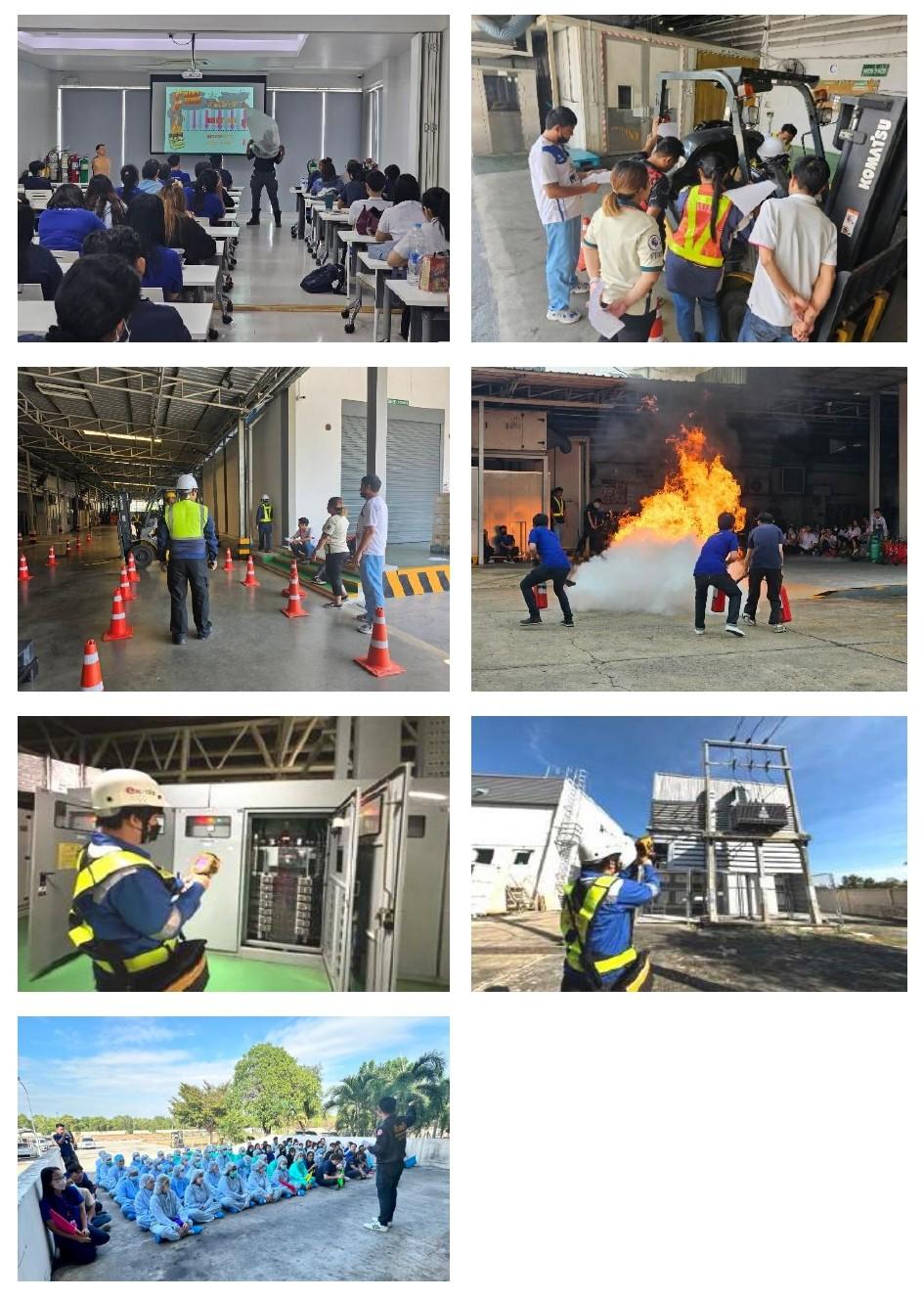
The Company ensures compliance with applicable laws and regulations, including fundamental safety practices such as:
Annual inspection of electrical systems and buildings
Annual inspection of cargo and passenger elevators
Forklift safety training
Annual fire drills and evacuation training
Annual boiler safety inspection
Annual inspection of LPG (liquefied petroleum gas) facilities for license renewal
Safety Promotion and Supporting Activities
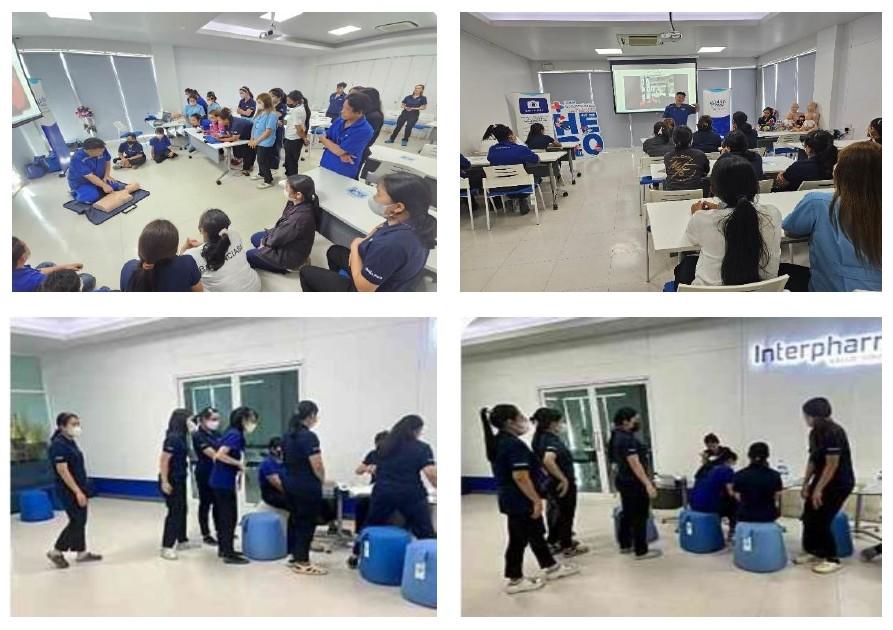
The Company organizes activities to promote and support workplace safety, including employee well-being initiatives, such as:
First aid training
Drug screening (urine tests)
Employee Engagement
The Company has established initiatives to enhance employee engagement. In 2025, the voluntary turnover rate was 1.15%, representing a decrease of 1.26% from the previous year. The employee engagement score was 47%, compared to the target of 50%.
Employee Engagement Development Plan 2025
The Company has established an employee engagement development plan for 2025, comprising various initiatives aimed at fostering employee well-being, strengthening organizational culture, and enhancing employee engagement, as follows:
Community Engagement Activity: Organizing donation activities for students at Wat Tonod Tia School
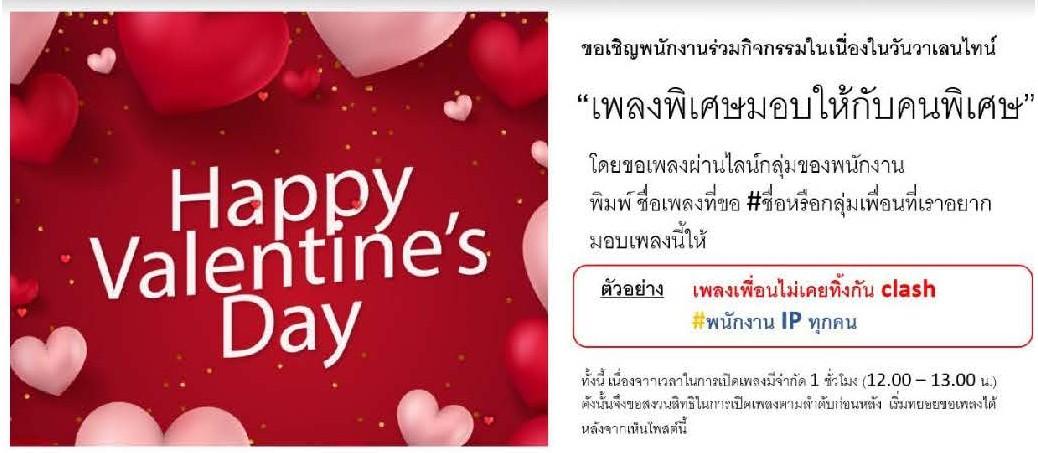
Valentine’s Day Activity
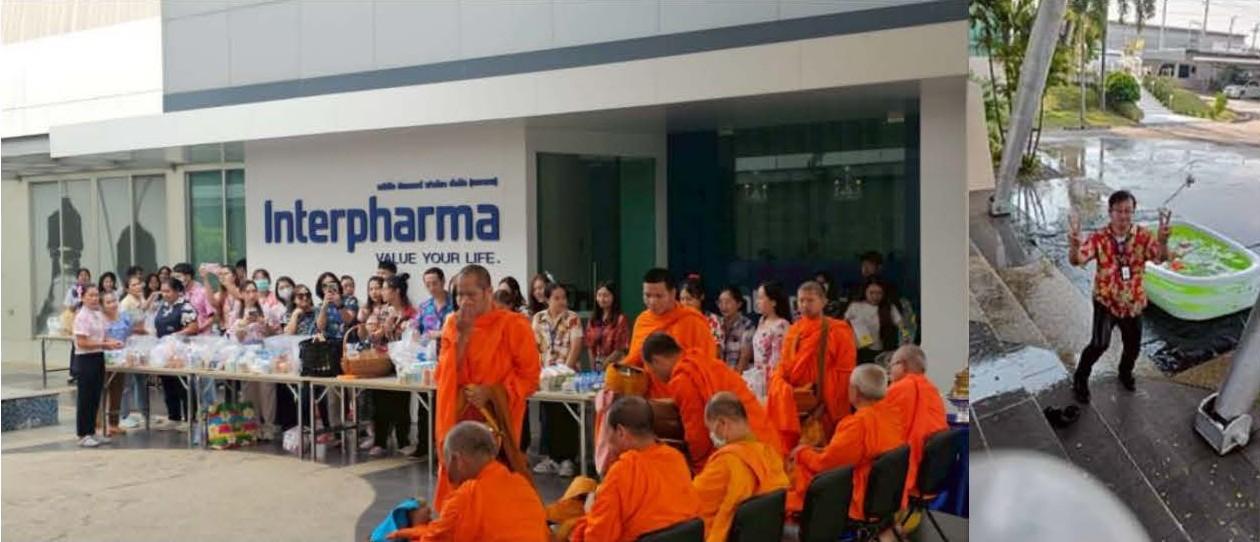
Songkran Festival Activity
Merit-Making and Candle Offering Activity (Buddhist Lent Festival)
Flexible Benefits Program: Supporting self-development and preventive healthcare
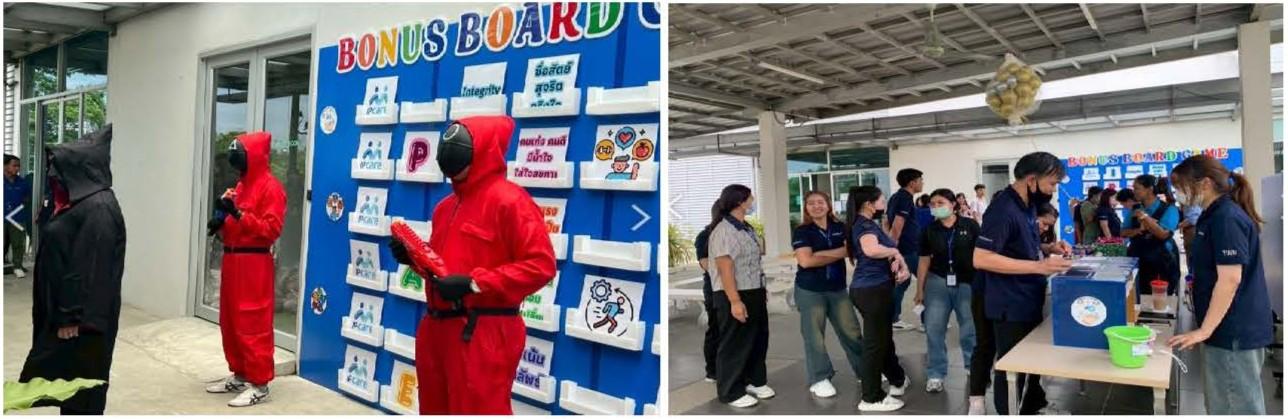
Corporate Culture Promotion Activities (IP Care)
Establishment of a Workplace Health Promotion Committee at the factory
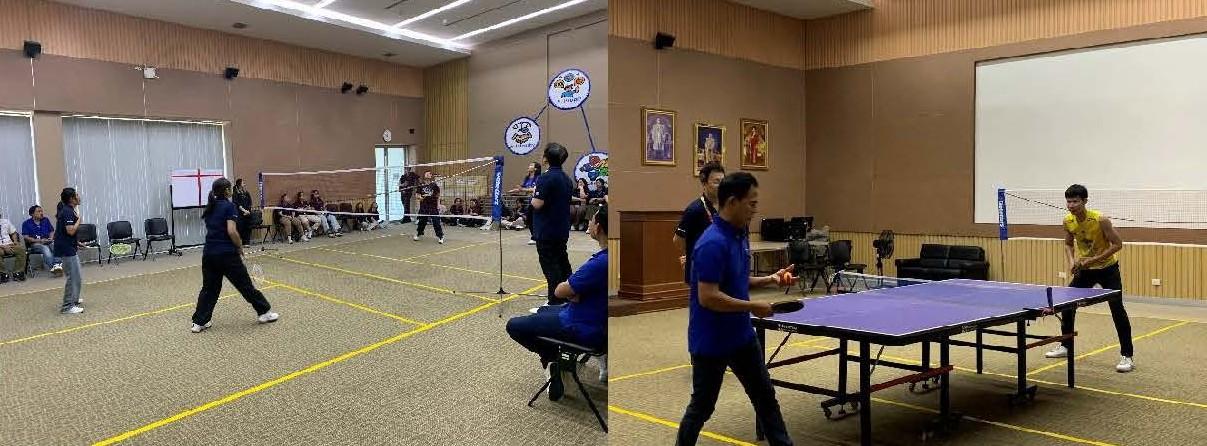
Internal Sports Competition
Healthy Menu and Functional Food Promotion Activities
IP Happiness Sharing Initiative
Children’s Day Activity
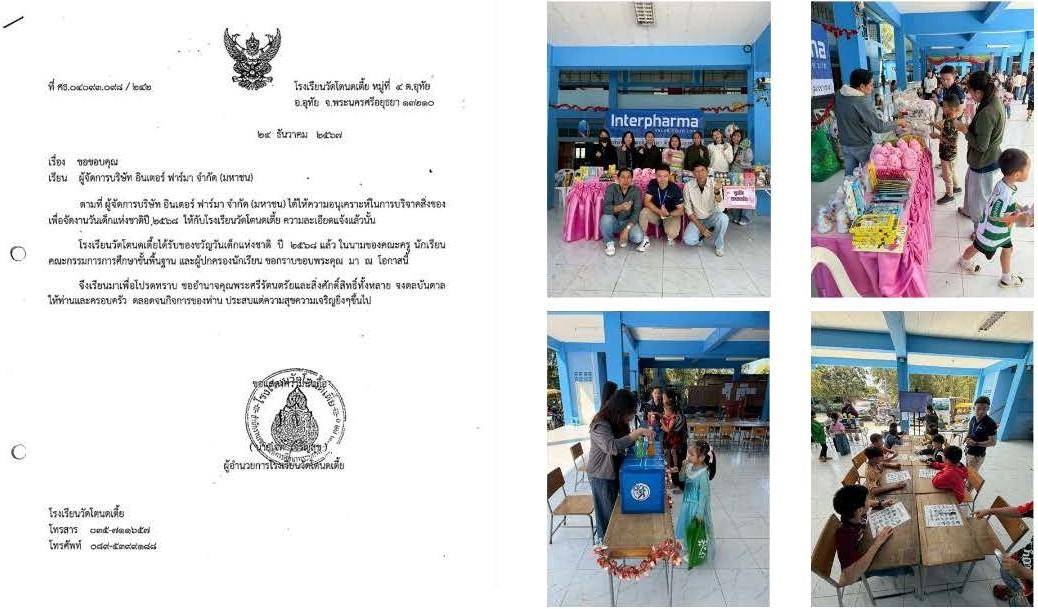
The Company donated supplies to support the National Children’s Day 2025 celebration at Wat Tanod Tia School, located in Uthai Subdistrict, Uthai District, Phra Nakhon Si Ayutthaya Province, to bring joy and encouragement to the students on this special occasion.
Valentine’s Day Activity
Songkran Festival Activity
Merit-Making and Candle Offering Activity (Buddhist Lent Festival)
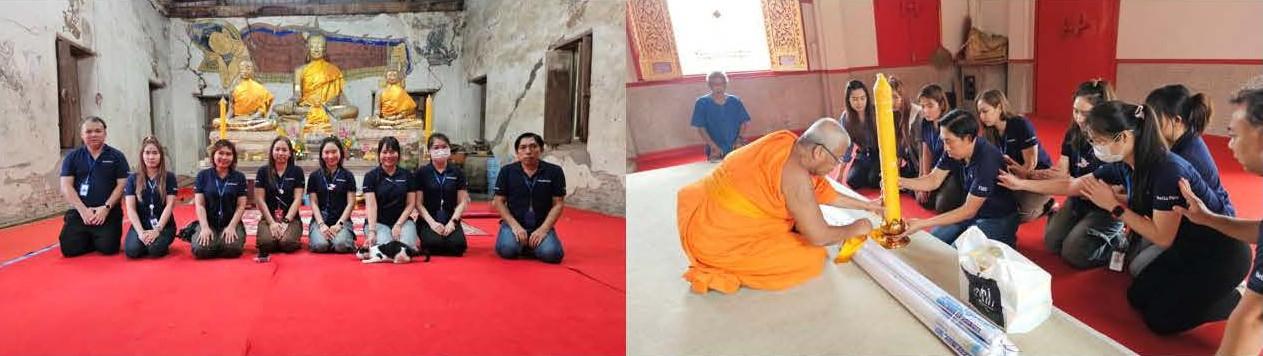
A compilation of images from the 2025 Buddhist Lent candle offering ceremony. The company's Welfare Committee, representing the employees, presented candles and a donation totaling 2,534 baht to Wat Ban Heep, Uthai District, Phra Nakhon Si Ayutthaya Province.
Corporate Culture Promotion Activities (IP Care)
Internal Sports Competition
Customers — Plan & Guidelines
Has a Customer Management Plan
Yes
Plan Description
The Company places great importance on building strong relationships with customers and ensuring the highest level of customer satisfaction. The Company focuses on delivering high-quality and safe products and services that effectively respond to customers’ needs, while conducting its business with integrity, transparency, and fairness.
To ensure effective customer management in alignment with sustainable business practices, the Company has established the following customer management approaches and action plans:
1. Development of High-Quality and Safe Products
The Company is committed to developing and selecting pharmaceutical and healthcare products that meet high- quality standards and are supported by scientific evidence. Quality control is implemented at every stage of the production and distribution processes in accordance with Good Manufacturing Practice (GMP) standards in order to ensure confidence among customers and consumers.
2. Provision of Accurate and Transparent Product Information
The Company places importance on providing customers with accurate, clear, and complete product information, including product characteristics, directions for use, and precautions. This ensures that customers and consumers can use the products appropriately and safely. In addition, the Company conducts marketing and advertising activities in compliance with ethical standards and applicable laws and regulations.
3. Customer Relationship Management
The Company emphasizes the development of long-term relationships with customers by continuously enhancing communication channels and customer service systems. Feedback, suggestions, and complaints from customers are systematically collected and analyzed in order to improve operational processes and product quality.
4. Customer Complaint and Feedback Management
The Company has established appropriate channels for receiving customer complaints and feedback, together with systematic procedures for reviewing and resolving issues in a timely manner. This process helps strengthen customer confidence and satisfaction.
5. Protection of Customer Personal Data
The Company recognizes the importance of protecting customers’ personal data and has implemented measures to ensure that the collection, use, and disclosure of personal data are conducted appropriately and securely, in compliance with applicable laws and regulations.
Plan Areas
| Plan Area |
|---|
| Responsible production and services for customers |
| Communication of product and service impacts to customers/consumers |
| Development of customer satisfaction and customer relationship |
| Protection of customer personal information |
Customers — Satisfaction Results
Customer Satisfaction Results
| Metric | Current Year | Previous Year | Two Years Ago |
|---|---|---|---|
| Evaluation results of customer satisfaction | 1 | 1 | 1 |
Customers — Targets
Has Set Customer Targets
Yes
Targets
| Indicator | Target Areas | Base Year | Base Year — Description | Target Year | Target Year — Description |
|---|---|---|---|---|---|
| Customer Satisfaction Survey | 3009 · Description: Development of customer satisfaction and customer relationship | 2,025 | 91.04% | 2,026 | 95% |
Customers — Performance & Outcomes
Has Performance Results
Yes
Performance Description
The Company has continuously focused on developing its products and services to meet customer satisfaction with responsibility, honesty, and ethical conduct. In 2025, the Company achieved a good level of customer satisfaction and received no significant customer complaints.
Community & Social — Plan & Guidelines
Has a Community & Social Plan
Yes
Plan Description
The Company recognizes the importance of conducting its business with responsibility toward the community and society. It is committed to fostering positive relationships and engagement with communities related to the Company’s operations in order to promote sustainable development together. The Company has established guidelines and a management plan for community and social responsibility, with the key principles as follows:
1. Community Engagement and Relationship Building
The Company places importance on maintaining open communication and building mutual understanding with the communities surrounding its operations. Communities are provided with opportunities to express opinions, suggestions, or concerns related to the Company’s activities, enabling the Company to appropriately improve and adjust its operations.
2. Support for Community and Social Initiatives
The Company encourages participation in social and community activities, including supporting public benefit initiatives, providing assistance to society on various occasions, and contributing to projects that help enhance the quality of life of communities.
3. Promotion of Health and Well-being
In line with the Company’s health-related business, the Company promotes health awareness, proper healthcare practices, and the appropriate use of health products in order to improve the overall well-being and quality of life of society.
4. Community Complaint Management
The Company has established channels for receiving complaints and suggestions from communities and stakeholders. Such matters are reviewed, addressed, and monitored in a transparent and appropriate manner.
5. Monitoring and Evaluation
The Company continuously monitors and evaluates its community and social activities in order to improve the effectiveness of its initiatives and ensure that they remain aligned with the needs and expectations of the communities.
Plan Areas
| Plan Area |
|---|
| Education |
| Occupational health, safety, health, and quality of life |
| Disadvantaged and vulnerable groups |
| Reducing inequality and promoting social equality |
Community & Social — Targets
Has Set Community & Social Targets
No
Community & Social — Performance & Outcomes
Has Performance Results
No
Law Violation Incidents
Law Violation Incidents
| Metric | Current Year | Previous Year | Two Years Ago |
|---|---|---|---|
| The total number of cases or incidents of significant violations of laws or regulations regarding social and human rights (Cases) | 0 | 0 | 0 |
| The total number of cases or incidents that cause significant labor disputes (Cases) | 0 | 0 | 0 |
| The total number of cases or complaints related to consumer rights violations (Cases) | 0 | 0 | 0 |
| The total number of cases or complaints related to partner rights violations (Cases) | 0 | 0 | 0 |
| The total number of cases or incidents that cause disputes with the community/society (Cases) | 0 | 0 | 0 |
| The total number of cases or incidents related to cyber security or customer data breaches (Cases) | 0 | 0 | 0 |
| The total number of cases or incidents related to safety and occupational health at work (Cases) | 0 | 0 | 0 |